

Peak Season Freight Alert: What Australia–Nigeria Shippers Need to Know Before Rates Climb
Category: Freight Forwarding | Published: July 2026
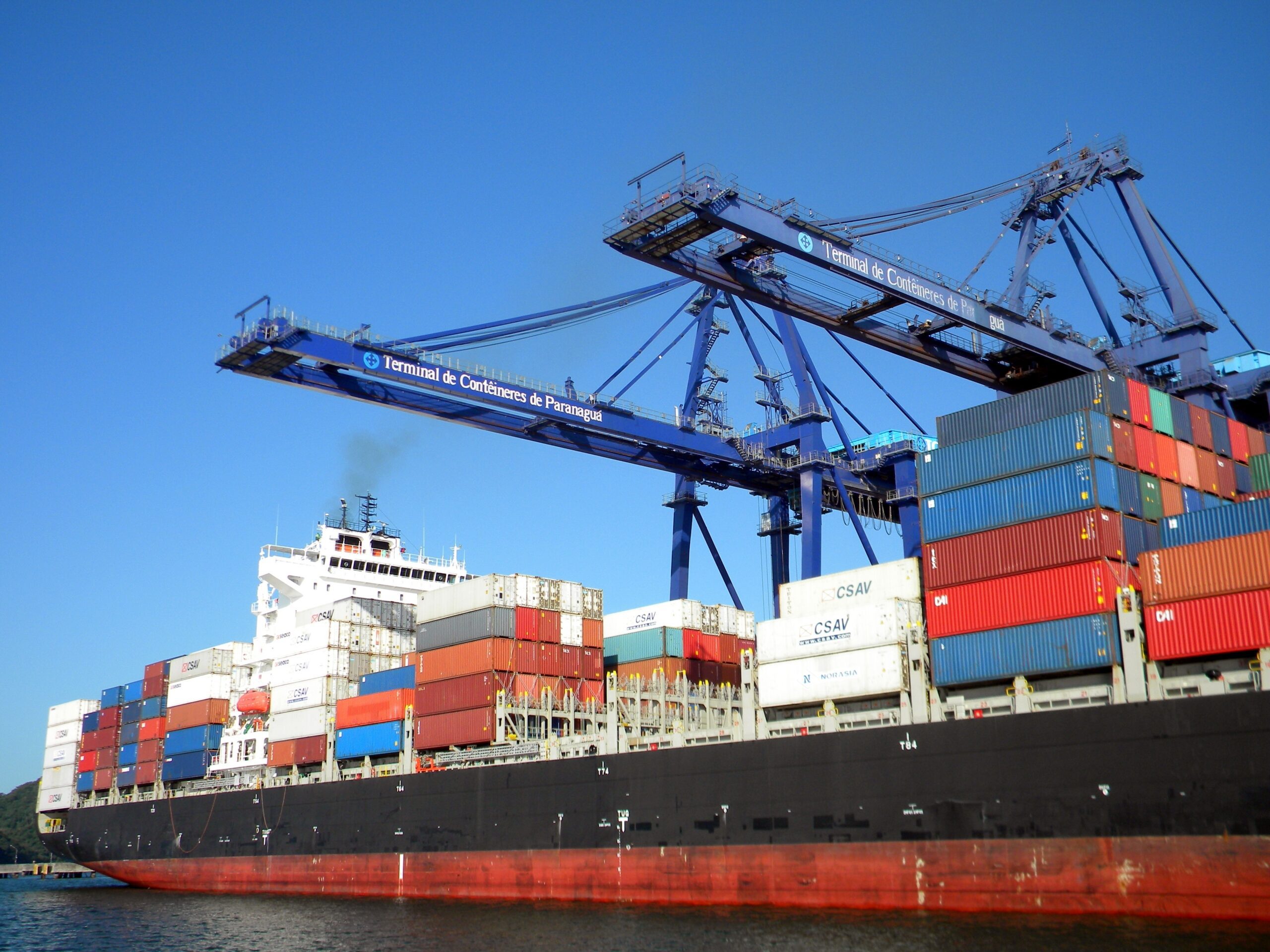
If you’re shipping between Australia and Nigeria this quarter, now is the moment to plan ahead rather than book shipment-by-shipment. Freight markets are tightening as carriers regain pricing discipline, geopolitical disruption keeps reshaping major trade lanes, and the industry heads into the traditional pre-Christmas peak that typically builds through August and September. Businesses that lock in bookings and confirm production schedules early are already positioning themselves ahead of the volatility to come.
Why Rates Are Firming Up Right Now
Several forces are converging at once. Carriers have tightened effective vessel capacity and are holding firmer on pricing than they have in previous years. At the same time, ongoing disruption around the Middle East and Red Sea continues to force rerouting on major shipping lanes, adding distance, cost, and schedule variability even where cargo keeps moving. Layered on top of that is the seasonal reality: as northern hemisphere peak season approaches, southbound freight into Australia and onward distribution lanes typically firm up in the months ahead.
None of this points to a dramatic single-month shock. Instead, it signals a market where consistency and forward visibility are becoming the real competitive advantage — and where shippers who wait to book are more exposed to sudden pricing and capacity swings than those who plan several weeks out.
What It Means for the Australia–Nigeria Corridor
For the Australia–Nigeria route specifically, this is a good window to lock in Q3 shipping plans while costs remain relatively predictable compared to other lanes that are already repricing upward for peak-season surcharges. That predictability won’t last indefinitely — carrier pricing behaviour elsewhere suggests the corridor could follow the same seasonal pattern as global demand builds.
Compliance pressure is also rising alongside freight costs. Nigerian customs procedures remain strict, and accurate documentation — commercial invoices, packing lists, correct HS codes — is essential to avoid the delays and charges that come with inspection holds. Getting paperwork right the first time matters even more when schedules are tighter and buffer time is shrinking.
How to Stay Ahead of the Curve
- Book earlier for time-critical shipments. Waiting until closer to departure narrows your options and exposes you to surcharge spikes.
- Compare on reliability, not just price. Transit time and routing consistency matter more than a marginally lower quote once schedules tighten.
- Build in buffer time for transhipment and potential rerouting around ongoing Middle East disruption.
- Get documentation right the first time. Confirm HS codes, invoices, and packing lists before cargo ships to avoid Nigerian customs delays.
- Talk to your supplier early to confirm production schedules line up with realistic sailing dates.