
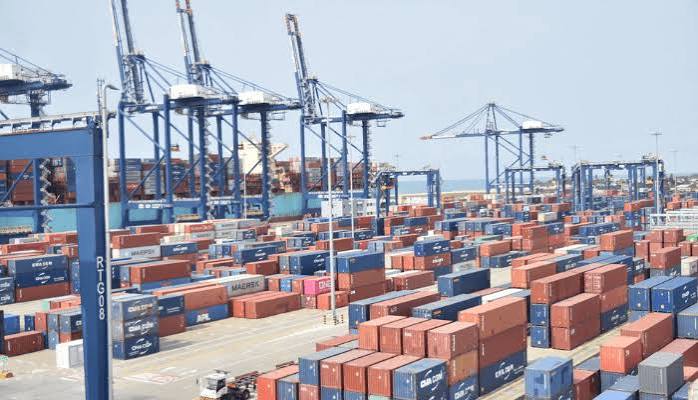
Nigeria’s Ports Are Getting Faster: What the 2026 Customs Digitization Drive Means for Your Shipments
Nigeria’s ports are seeing record cargo growth and a new digital customs portal in 2026. Here’s what importers and exporters need to know — and how to keep your shipments moving.
If you’ve shipped anything in or out of Nigeria this year, you’ve probably felt it: the ports are busier than ever, but something is also changing beneath the surface. Nigeria’s maritime sector just posted some of its strongest numbers in years — and a new digital customs system is quietly rewriting how long clearance actually takes.For businesses moving freight between Australia, the wider world, and Nigeria, this isn’t just industry trivia. It directly affects your costs, your timelines, and how you plan inventory.
Cargo volumes are up — and so is the pressure on clearance
Nigerian ports handled significantly more cargo in the second quarter of 2026 than the same period last year, with double-digit growth in throughput and vessel traffic. Export activity in particular is surging, with outward cargo growing faster than inbound shipments — a sign that Nigerian exporters are finding stronger footing in international markets.That’s good news for trade overall, but more cargo through the same physical infrastructure means one thing: congestion risk goes up unless clearance processes keep pace.
The real story: a digital one-stop customs portal
The bigger shift for shippers is regulatory, not physical. Nigeria has been rolling out a digitized single-window trade portal that consolidates roughly 15 separate government agencies into one platform. Instead of a shipment bouncing between customs, port health, quarantine, and other bodies one at a time, the process is designed to run through a single digital gateway.Early trials of the system have already pushed quarterly customs revenue past ₦1 trillion, and the target is to cut average cargo dwell time at port — the time a container sits before it’s released — down to roughly 24 hours from what has historically been several days.For anyone managing imports into Nigeria, that’s a meaningful shift. Faster dwell time means:
Lower demurrage and storage costs
More predictable delivery windows for customers
Less capital tied up in inventory sitting at port
What this means if you’re shipping into Nigeria right now
The digitization drive is still in rollout, which means results are uneven — some cargo clears quickly, while other shipments still face the old bottlenecks. In practice, that makes documentation accuracy and pre-clearance preparation more important than ever, not less. A single-window system only moves fast if what you feed into it is correct the first time.A few practical takeaways for shippers:
1. Get your paperwork right before the vessel arrives
With agencies increasingly cross-checking data digitally, mismatched invoices, HS codes, or incomplete documentation stall a shipment faster in a digital system than a manual one.
2. Build in a buffer, but expect it to shrink
Dwell times are trending down, but until the rollout is complete across all 15 agencies, don’t assume every shipment will clear in 24 hours. Plan conservatively while the system matures.
3. Watch the modal shift
Road freight still carries the majority of inland cargo in Nigeria, but rising haul costs are pushing more shippers toward rail and inland waterway options where available — particularly for bulk freight. It’s worth asking your logistics partner what alternatives exist for your route.
4. Work with a partner who tracks the regulatory side, not just the shipping side
Customs rules, tariff structures, and clearance requirements are moving targets in Nigeria right now. A freight partner who stays current on the policy environment — not just container tracking — is the difference between a shipment that clears in a day and one that sits for a week.
The bottom line
Nigeria’s logistics infrastructure is in a genuine growth phase — more cargo, more export activity, and a real push toward digital efficiency at customs. But growth and modernization always come with a transition period, and that’s exactly where shipments get delayed if you’re not prepared for it.If you’re shipping into or out of Nigeria and want a clearance process that’s built for where the system is headed — not where it used to be — talk to our customs clearance team about your next shipment.
Sources: Nigerian Ports Authority Q2 2026 performance report; APM Terminals Apapa; Nigeria Freight and Logistics Market reports, 2026.
Recent Comments